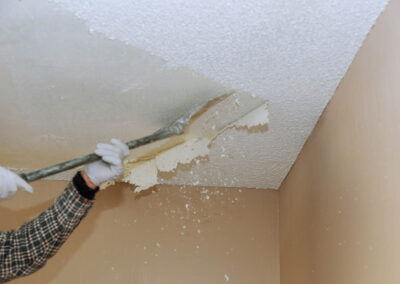

“Is my drywall ruined?” That’s usually the first thing we hear when a Florida homeowner calls after a leak, storm, or AC issue. Between our summer downpours, tropical storms, burst pipes and sweating air-conditioning lines, wet drywall is something we see all the time across the Sunshine State.
The good news? Not every spot of moisture means your wall has to be torn out. The bad news is, if you ignore it or handle it the wrong way, you can end up with soft, buckled walls and a serious mold problem. In this guide, we’ll walk you through what actually happens when drywall gets wet, how to tell if it can be saved, and when it’s time to cut it out and start fresh.
The Effects of Water on Drywall
Drywall is basically a gypsum core wrapped in paper, and neither of those materials plays nicely with water. Here’s what we see on real Florida jobs when drywall gets soaked:
- It starts to lose its strength: The gypsum core will suck up water like a sponge. Once it’s saturated, it can swell, turn mushy and begin to sag. In bad cases, you’ll see the wall bow out, screws pop, or the surface crumble when you touch it.
- Mold moves in fast: Warm, damp and dark – that’s Florida’s favourite mold recipe. Wet drywall gives mold exactly what it wants, and it can start growing in as little as 24 to 48 hours. That means musty smells, black or green spots and potential health issues if it’s not dealt with properly.
- Stains and bubbling paint: Even once everything dries out, water usually leaves a mark. You’ll see yellow or brown “coffee” stains, peeling paint, bubbling, or the paper layer lifting away from the gypsum underneath. No amount of quick touch-up paint will truly hide that without the right prep.
- Insulation and comfort take a hit: On exterior walls, water often soaks the insulation behind the drywall as well. Wet insulation doesn’t insulate, it can slump, grow mold and let that hot Florida air and humidity creep straight into your home, which bumps up your power bill.
What to Do When You Discover Wet Drywall
If you’ve just found a damp or soggy section of wall or ceiling, here’s the basic order we recommend – it’s the same approach pro painters follow on their own jobs.
- Track down where the water came from: Don’t skip this step. Wet drywall is just the symptom – the real problem is the source. Common culprits in Florida are AC condensate lines, roof leaks after a storm, failed window seals and plumbing leaks. Get that fixed first, or the damage will come straight back.
- Figure out how far the damage has spread: Don’t just look at the obvious wet spot. Check along the baseboard, around outlets and higher up the wall or ceiling. Sometimes the worst damage is a few feet away from where you first see the stain. If the board feels spongy, warped, or you can see mold, it’s usually beyond a simple patch.
- Start drying things out quickly: Set up fans and dehumidifiers, open up the space if you can, and get the air moving. The sooner everything dries, the better your chances of saving the framing and slowing down mold growth. In heavier damage, we’ll often remove baseboards and cut small openings to let the wall cavity breathe.
- Cut out or repair the bad sections: If the drywall is bowed, crumbling, or smells musty, it’s safer to cut it out back to solid, dry material. We square off the opening, replace the affected section, tape the seams and float the joints. For minor surface damage where the board is still solid, drying, spot repairs and skim coating may be enough.
- Treat for mold – don’t just paint over it: Any area that’s been wet for a while needs to be checked carefully. We clean and treat the surface and, if needed, the exposed framing with a mold-inhibiting product. Simply painting over mold is a bad idea. It might hide the stain for a while, but the mold itself will still be there.
- Prime, texture and repaint: Once everything is dry, solid and treated, we rebuild the wall’s finish. That usually means new joint compound, sanding, matching the existing texture, then priming before repainting the area so it blends perfectly with the rest of the room.
Can Wet Drywall Ever Be Saved?
It depends on how long it’s been wet and how saturated it got. Here’s how we generally look at it on Florida jobs:
- Short-term, light exposure: A quick spill or a minor AC drip caught early might only leave a surface stain. If the board is still firm and dries out quickly, we can usually clean, seal and repaint without replacement.
- Heavy soaking or flooding: If the drywall has been under water, is soft to the touch, or you can push a finger into it, it’s done. At that point, replacement is the safest route – especially if the water came from outside or a dirty source.
- Visible mold or strong musty smell: Once mold has moved into the paper backing, we treat the surrounding area and remove the affected board. Leaving it in the wall just invites future problems, particularly in our warm, humid climate.
Wrapping It Up
Dealing with wet drywall isn’t anybody’s favourite job, but taking it seriously early on will save you from bigger headaches, like widespread mold, sagging ceilings or repeated repairs every storm season. If you’re not sure how bad the damage is, or you don’t feel confident cutting into walls and matching textures, it’s worth getting a pro opinion. If the water damage has you thinking about a wider repaint while you’re at it, our breakdown of interior painting costs in Florida will give you a realistic ballpark before you start getting quotes.
Our local painters don’t just roll paint over the problem and walk away. We help Florida homeowners with water damage assessment, proper drywall repair services, mold-conscious prep and a clean, professional repaint so your walls look like nothing ever happened. If you’ve got a suspicious stain, soggy baseboard or bubbled ceiling, reach out and we’ll help you figure out the next right step to get your home looking and feeling solid again.